
Kids footwear manufacturing focuses on creating shoes that support healthy foot development while ensuring comfort, safety, and durability. Unlike adult footwear, kids’ shoes must accommodate rapid growth, soft bones, and high activity levels. Manufacturers carefully design footwear based on age groups, foot anatomy, and movement patterns to prevent long-term foot problems.
The process involves selecting safe, non-toxic materials such as leather, breathable fabrics, EVA, PU, and rubber. Comfort, flexibility, lightweight construction, and slip-resistant soles are key design priorities. Advanced technology like 3D foot scanning, CAD design, and automation improves fit accuracy and production efficiency.
Safety standards and quality control play a critical role, with strict testing for durability, comfort, and chemical compliance. Sustainability is also becoming essential, with manufacturers using recycled materials and eco-friendly packaging to reduce environmental impact.
Customization options such as OEM and ODM manufacturing help brands create unique products, while efficient supply chains and ethical practices ensure reliability and trust. Overall, kids footwear manufacturing blends innovation, responsibility, and creativity to produce shoes that protect growing feet and meet modern consumer expectations.
Best kids footwear manufacturers in delhi- DVH TRADERS
Company Name: DVH TRADERS
Location: Phase I Industrial Area, Kirti Nagar, New Delhi, India.
Established: 2018
Business Type:
Kids Footwear Manufacturer & Wholesaler
contact: 9965421896
What makes DVH TRADERS different?
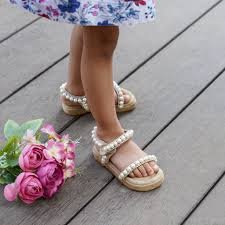
- Foot development first: Children’s feet are still forming, so flexibility, proper width, and lightweight construction matter more than style.
- Safety & durability: Non-slip soles, rounded edges, reinforced toe boxes, and secure fastenings (Velcro > laces for younger kids).
- Rapid size changes: Short production cycles and tight inventory planning are critical.
Common product categories in kids footwear manufacturing
- Infant shoes (0–12 months) – soft soles, mostly for warmth and protection
- Toddlers (1–3 years) – flexible soles, wide toe box, high grip
- Kids (4–8 years) – balance of flexibility and durability
- Youth (9–14 years) – closer to adult shoes, but lighter and more cushioned
Materials typically used
Uppers
- Genuine leather (durable, breathable)
- Synthetic leather / PU (cost-effective, easy to clean)
- Mesh & knit (sports shoes)
Soles
- EVA (lightweight, cushioning)
- Rubber (grip and durability)
- TPR (flexible, cost-efficient)
Linings & insoles
- Breathable mesh
- Antibacterial foam insoles
- Memory foam (older kids)
Quality & safety standards
Depending on your market:
- EU: EN 71, REACH compliance
- USA: CPSIA, ASTM F963
- Global: Non-toxic materials, no sharp parts, colorfastness, pull strength tests
Key challenges kids footwear manufacturers face
- Managing many sizes with low MOQ per size
- Balancing cost vs. quality (parents care a lot)
- Seasonal demand (school seasons, winter boots)
- Fast-changing designs and trends
Where kids footwear is commonly manufactured
- China – scale, full supply chain
- Vietnam – quality athletic footwear
- India – leather and mid-range products
- Turkey & Portugal – premium EU manufacturing
If you want, tell me:
- Are you starting a factory, sourcing a manufacturer, or building a kids shoe brand?
- Target market (local / export, budget / premium)?
I can get very specific—cost breakdowns, machinery lists, or how to choose the right manufacturer.
1. Foot anatomy & design considerations (very important)
Kids’ feet are not mini adult feet.
Key design rules:
- Wide toe box → allows natural toe spread
- Flexible sole → especially for infants & toddlers
- Lightweight construction → reduces fatigue
- Heel support → stability without rigidity
- Easy fastening → Velcro, elastic, zippers
Age-specific focus:
- 0–2 years: flexibility > durability
- 3–6 years: balance, grip, toe protection
- 7–12 years: durability, cushioning, sport use
2. Shoe last development
A last is the mold that defines shoe shape.
For kids:
- Shorter heel-to-toe ratio
- Extra toe height
- More internal volume
- Softer curves
Most factories:
- Buy standard kids lasts
- Or customize lasts for premium brands
Bad lasts = foot pain + customer complaints.
3. Materials in detail
Upper materials
- Natural leather
✔ Breathable, durable
✖ Expensive, requires skilled stitching - PU / synthetic leather
✔ Affordable, consistent quality
✖ Less breathable - Textile / knit / mesh
✔ Lightweight, sporty
✖ Less abrasion resistance
Sole materials
- EVA – light, soft, shock-absorbing
- Rubber – anti-slip, long-lasting
- TPR – flexible, economical, common in kids shoes
Insole & lining
- Breathable mesh lining
- Foam or latex insoles
- Antibacterial treatment (very important for kids)
process (step-by-step)
Step 1: Design & tech pack
Includes:
- Drawings
- Materials
- Size range
- Construction method
- Colorways
Step 2: Pattern making
- Paper or CAD patterns
- Each size graded separately
Step 3: Cutting
- Manual cutting (small scale)
- Die cutting or CNC cutting (large scale)
Step 4: Stitching / upper assembly
- Toe cap, quarters, tongue assembled
- Reinforcements added
- Logos and decorations attached
Step 5: Lasting
Upper is stretched over the last:
- Toe lasting
- Side lasting
- Heel lasting
Step 6: Sole attachment
Methods:
- Cemented (most common)
- Injection molded (sports shoes)
- Stitched (premium)
Step 7: Finishing
- Cleaning
- Edge coloring
- Final inspection
- Size & batch labeling
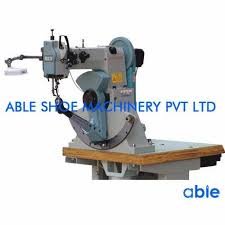
5. Machinery required in kids footwear manufacturing (basic factory)
Cutting section
- Hydraulic cutting press
- Clicker machines
- Cutting dies
Stitching section
- Flat sewing machines
- Post-bed machines
- Zigzag machines
Lasting section
- Toe lasting machine
- Heel seat lasting machine
- Side lasting machine
Sole section
- Sole press
- Injection molding machine (optional)
Finishing
- Buffing machine
- Heat activator
- Packing conveyor
6. Quality control & testing
Kids footwear must pass strict tests:
- Flexing test (sole cracks)
- Bond strength test (sole separation)
- Slip resistance
- Colorfastness
- Pull test (Velcro, straps)
- Chemical safety (no toxic dyes or glues)
7. Cost structure (approx.)
For mass production:
- Materials: 45–55%
- Labor: 15–25%
- Overhead: 10–15%
- Profit: 10–15%
Children’s shoes cost more per unit than adults due to small sizes + more SKUs.
8. Common mistakes in kids footwear manufacturing
- Using adult shoe designs scaled down
- Hard soles for toddlers
- Poor glue quality
- Narrow toe boxes
- Ignoring safety standards
These lead to returns and brand damage.
9. Manufacturing models
You can choose:
- Own factory
- Contract manufacturing
- Private label
- OEM / ODM production
Each has different investment levels.
If you want, I can next:
- Explain how to start a kids footwear factory
- Help you source manufacturers
- Create a costing & business plan
- Explain export requirements
Table of Contents
Advanced Design Innovations in Kids Footwear Manufacturing
Kids today are more active than ever, and footwear manufacturers are stepping up with smarter designs. Innovation isn’t just a buzzword here—it’s a necessity.
Ergonomic Design for Growing Feet
Ergonomics in kids footwear manufacturing focuses on natural foot movement. Shoes are now designed to bend where the foot bends, support arches gently, and provide enough room for toes to spread. Think of it like giving kids a playground for their feet instead of a tight box.
Lightweight Construction Techniques
Heavy shoes slow kids down. Manufacturers use lightweight foams, mesh fabrics, and minimal stitching to keep shoes feather-light while still tough enough to survive playground chaos.
Global Market Trends in Kids Footwear
Popular Styles Worldwide
Sneakers, school shoes, and sandals dominate global markets. Comfort-driven designs are winning everywhere.
Influence of Pop Culture and Media
Choosing the Right Kids Footwear Manufacturer
What Brands Should Look For
Experience, transparency, and quality control are key.
Experience, Compliance, and Scalability
A good manufacturer grows with your brand while meeting safety and compliance standards.
Future of Kids Footwear Manufacturing
Smart Shoes and Innovation
Think GPS tracking, step counters, and smart insoles. The future is exciting.
FAQs
What makes kids footwear different from adult footwear?
Kids footwear must support growth, flexibility, and safety, unlike adult shoes which focus more on style and durability.
Which materials are best for kids shoes?
Breathable materials like leather, cotton, EVA, and rubber are ideal for comfort and safety.
Are eco-friendly kids shoes durable?
Yes, modern sustainable materials are designed to be both durable
Why is quality control important in kids footwear manufacturing?
Because children’s safety, comfort, and healthy development depend on it.rowth and wear.